April 16, 2026
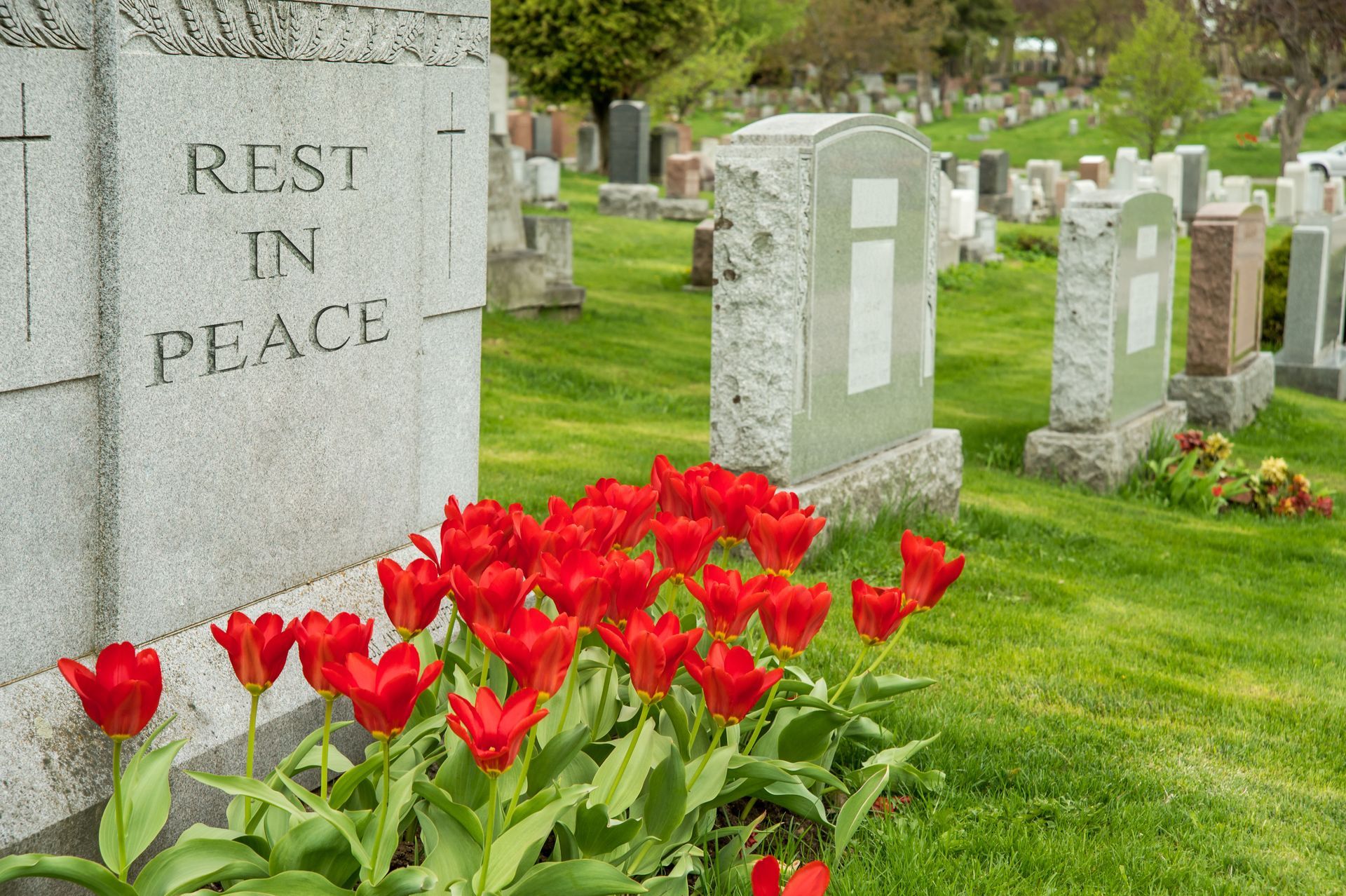
For many families planning end-of-life arrangements, the decision between cremation and a permanent place of remembrance is deeply personal. While cremation has become more common in recent years, many people are also reconsidering the long-term meaning and emotional value of having a dedicated place to visit and reflect. Choosing how to honor a loved one is not just about practicality; it is about legacy, memory, and connection across generations. For some families, memorial monuments offer a lasting presence that helps preserve those bonds in a tangible and meaningful way, especially when compared with more transient memorial options.
Considering Emotional Meaning and Lasting Legacy
When families reflect on remembrance options, emotional connection often becomes the deciding factor. A physical place of tribute can provide comfort and continuity that helps people process grief over time. Many individuals feel that memorial monuments create a permanent space where memories can be honored, allowing loved ones to feel closer even years after a loss. The presence of a dedicated site often becomes a grounding point for reflection and remembrance during important life moments.
In contrast to more temporary or dispersed memorial options, memorial monuments can serve as a unifying symbol for families. They provide a shared location where stories can be told and traditions can be passed down. This sense of permanence is often what draws families toward these enduring tributes, especially when they want a lasting legacy that future generations can visit and appreciate.
Understanding Long-Term Memorial Value
One of the key considerations in end-of-life planning is how a chosen option will stand the test of time. Families often think beyond immediate arrangements and focus on how their loved one will be remembered decades into the future. In this context, memorial monuments are frequently viewed as a long-term investment in remembrance, offering a physical marker that can endure across generations. The idea of permanence provides reassurance that a loved one’s memory will not fade with time.
From a practical standpoint, memorial monuments also reduce uncertainty about how and where remembrance will take place in the future. Families do not need to rely on changing traditions or shifting preferences, as the monument remains a constant point of connection. This stability is one of the reasons many people choose this option when planning for meaningful remembrance.
Comparing Cremation Trends and Choices
Cremation has become increasingly common in modern society due to its simplicity and flexibility. However, this shift has also led many families to reconsider what they may be giving up in terms of physical remembrance. According to the National Funeral Directors' Association, American cremation will outpace burials six to one by 2045. This statistic highlights a major cultural shift, but it also raises questions about long-term memorialization and how families maintain a lasting connection to those they have lost.
While cremation offers certain practical advantages, some families feel it lacks a permanent physical space for remembrance. In contrast, memorial monuments provide a fixed location that can be visited and maintained over time. This difference often plays a significant role in helping families decide which approach best aligns with their values and emotional needs.
Preserving Family Connection Through Physical Sites
A central benefit of having a dedicated place of remembrance is the way it supports ongoing family connection. Visiting a shared site can become a meaningful tradition, especially during anniversaries, holidays, or significant life events. Over time, these visits help reinforce family bonds and create opportunities for storytelling and reflection. This shared experience can be especially valuable for younger generations who are learning about their family history.
In many cases, memorial monuments become part of a family’s identity, serving as a physical reminder of shared heritage. They offer a sense of continuity that helps families feel grounded, even as life changes over time. This connection to place can provide emotional stability and comfort that extends far beyond the initial period of grief.
Recognizing Personalization and Customization Options
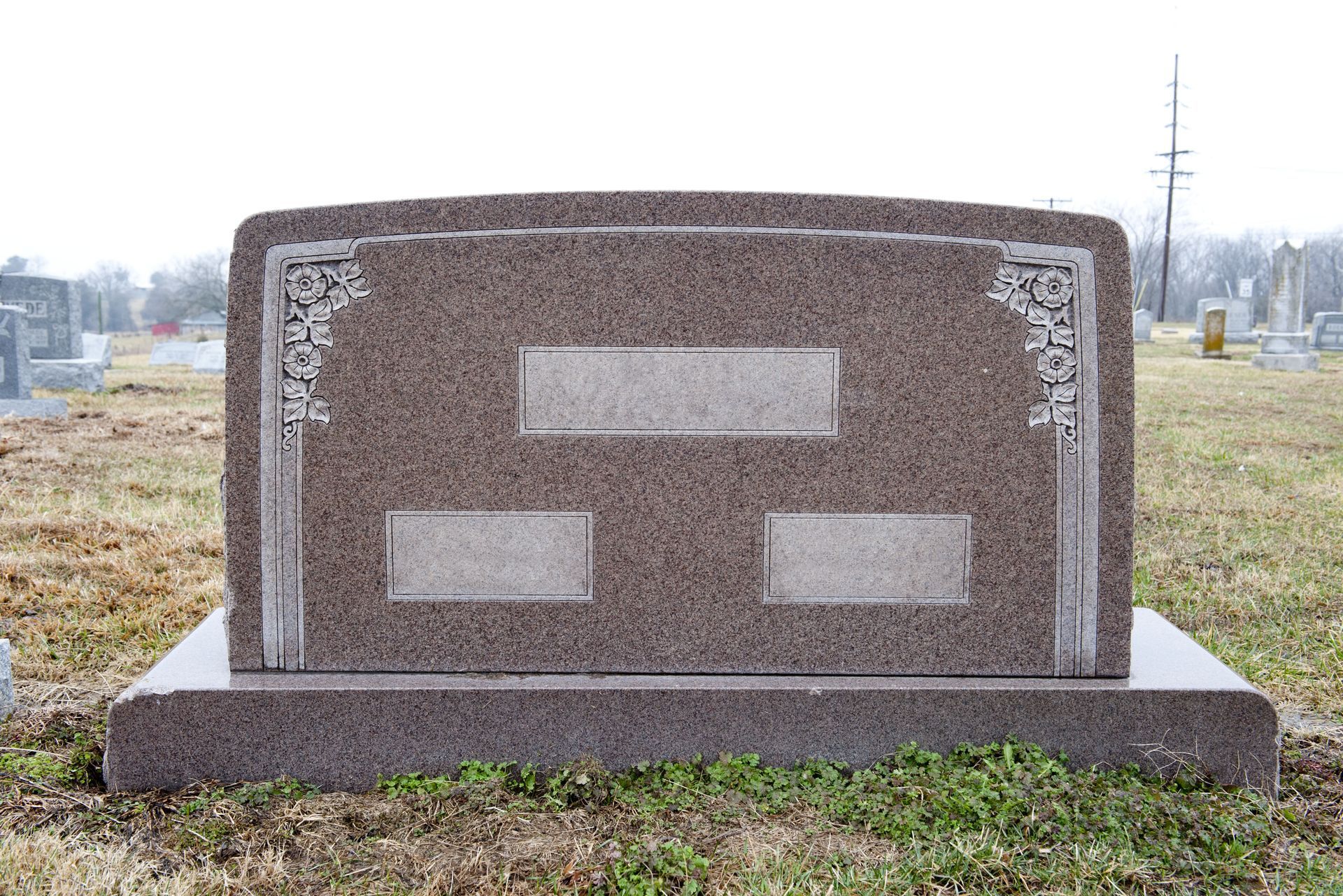
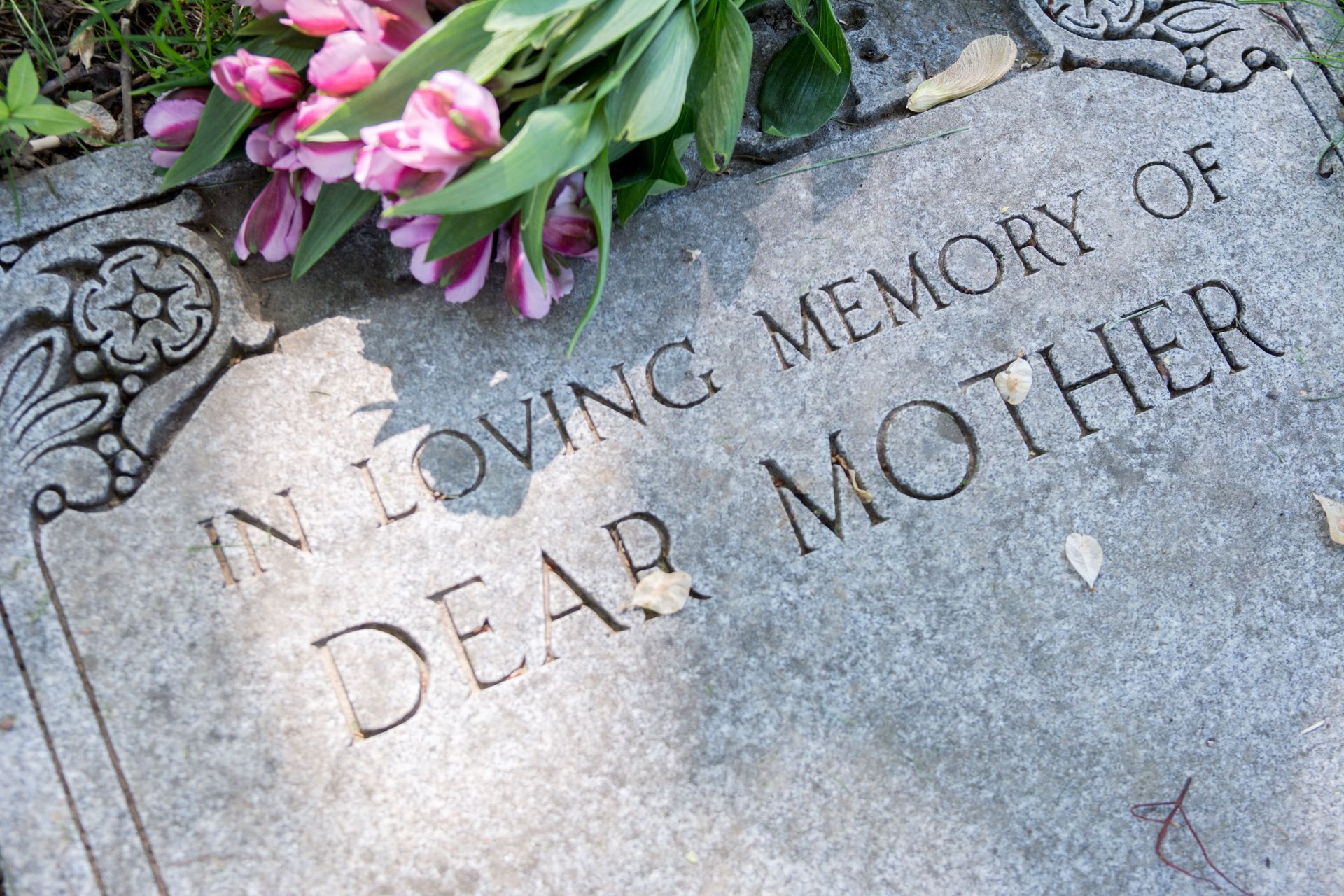
Modern remembrance options allow for a high degree of personalization, enabling families to create tributes that reflect the individuality of their loved one. From inscriptions to symbolic designs, these choices help tell a unique story. Memorial monuments often serve as a canvas for this personalization, allowing families to incorporate meaningful details that reflect personality, achievements, and values.
This level of customization can make the memorial experience more meaningful and emotionally resonant. Instead of a generalized remembrance, families can create something that feels deeply personal and reflective of a life lived. The ability to tailor these tributes ensures that each monument becomes a distinct representation of memory and love.
Honoring Tradition and Cultural Preferences
For many families, tradition plays an important role in end-of-life decisions. Cultural, religious, and generational values often influence how individuals choose to honor their loved ones. In many traditions, physical remembrance is an essential part of the grieving and healing process, providing a place where rituals and ceremonies can take place.
Even as modern practices evolve, many families continue to value the sense of grounding that comes with traditional forms of remembrance. These customs often emphasize continuity, respect, and physical presence, which align closely with the enduring nature of permanent memorialization. This connection to tradition can be a powerful factor when making final arrangements.
Evaluating Emotional Support in the Grieving Process
Grief is a deeply personal journey, and many families find that having a fixed place of remembrance helps provide structure during an otherwise overwhelming time. A designated location can serve as a quiet space for reflection, prayer, or simply being close in memory to a loved one. This physical presence often becomes an important part of emotional healing, especially in the months and years following a loss.
In this context, memorial monuments can play a supportive role by offering a consistent place to return to during moments of remembrance. Rather than relying solely on memory or dispersed ashes, families have a grounding point that helps them process emotions over time. This stability can make a meaningful difference in how grief is experienced and gradually transformed into remembrance.
Understanding Maintenance and Long-Term Care
Another important consideration when planning for long-term remembrance is how the chosen option will be maintained over time. Families often want assurance that their loved one’s tribute will remain intact, respected, and well-preserved for years to come. A physical marker provides a clear and lasting presence that can be maintained through routine care and cemetery upkeep.
Memorial monuments are often designed with durability in mind, using materials that withstand weather and time. This ensures that the tribute remains legible and meaningful for future generations. Unlike more fluid remembrance options, a permanent structure provides a sense of continuity that does not depend on changing circumstances or relocation.
Reflecting on Future Generational Connection
One of the most meaningful aspects of long-term remembrance is how future generations will connect with family history. Children and grandchildren often learn about their heritage through stories, but having a physical place to visit can deepen that understanding. It transforms memories into something tangible, helping younger family members form a stronger emotional connection to their lineage.
Over time, memorial monuments can become a shared family landmark that encourages storytelling and reflection. These visits often spark conversations about ancestry, values, and life experiences that might otherwise be forgotten. In this way, the monument becomes more than a tribute; it becomes a bridge between generations, preserving identity and connection across time.
Deciding how to honor a loved one is one of the most meaningful choices a family can make, and it often reflects deeply held values about memory, connection, and legacy. While cremation offers flexibility and has become increasingly common, many families still seek a permanent and tangible way to preserve remembrance over time. A physical place of reflection can provide comfort, continuity, and a sense of lasting presence that supports emotional healing.
Ultimately, the choice comes down to what best supports long-term remembrance and family connection. For those who value permanence and shared tradition, memorial monuments continue to offer a meaningful way to honor life and preserve memory across generations. If you and your loved ones are seeking professional memorial monuments in the Wausau, WI area, contact Norde Memorials today.