May 21, 2026
Choosing a memorial monument is a deeply personal and often emotionally charged decision. It involves not only practical considerations such as cost, materials, and design, but also a profound desire to honor the memory and legacy of a loved one. During this time, understanding the diverse aspects of selecting a monument can ease the decision-making process, leading to a tribute that is both meaningful and lasting. As family members grapple with grief, they are also faced with a range of decisions, all while navigating sensitivities and respecting personal values. This article aims to guide readers through the essential steps in choosing a fitting memorial by exploring various options, opportunities for customization, and important considerations for planning and collaboration.
The Purpose of a Memorial Monument
A memorial monument serves as a tangible tribute to those we have lost, providing a place of honor and remembrance. For many, a monument symbolizes a lasting connection to the deceased, allowing their legacy to continue beyond life. Monuments can evoke specific memories, reminding us of the attributes and accomplishments that defined a person's life. Such symbols of remembrance often become essential elements of a community's history and collective memory. However, beyond the emotional significance, there are practical considerations that guide the selection of a memorial monument.
In choosing a monument, one key factor to consider is its role in providing a space for reflection and mourning. This space offers solace and continuity, inviting family and friends to gather in memoriam during anniversaries, birthdays, and other significant events. Moreover, the public setting of most monuments encourages collective remembrance, facilitating community and support among those who share in the grief. According to Business Insider, the U.S. currently has over 144,000 cemeteries, which highlights the cultural importance placed on such remembrance spaces. Respecting communal standards and regulations, therefore, becomes crucial in such a setting.
Legal and local regulations can impact the choices available for memorial monuments. Certain jurisdictions may impose restrictions based on the size, material, and design, all of which must be considered early in the decision-making process to avoid costly changes later. Understanding these guidelines ensures compliance and avoids any delays that might arise from non-adherence. Navigating these regulations can be challenging, but with thorough research and professional guidance, families can choose a monument that fulfills both aesthetic desires and regulatory requirements. It's essential to find a balance between custom desires and the obligations imposed by legal frameworks.
Types of Memorial Monuments Available
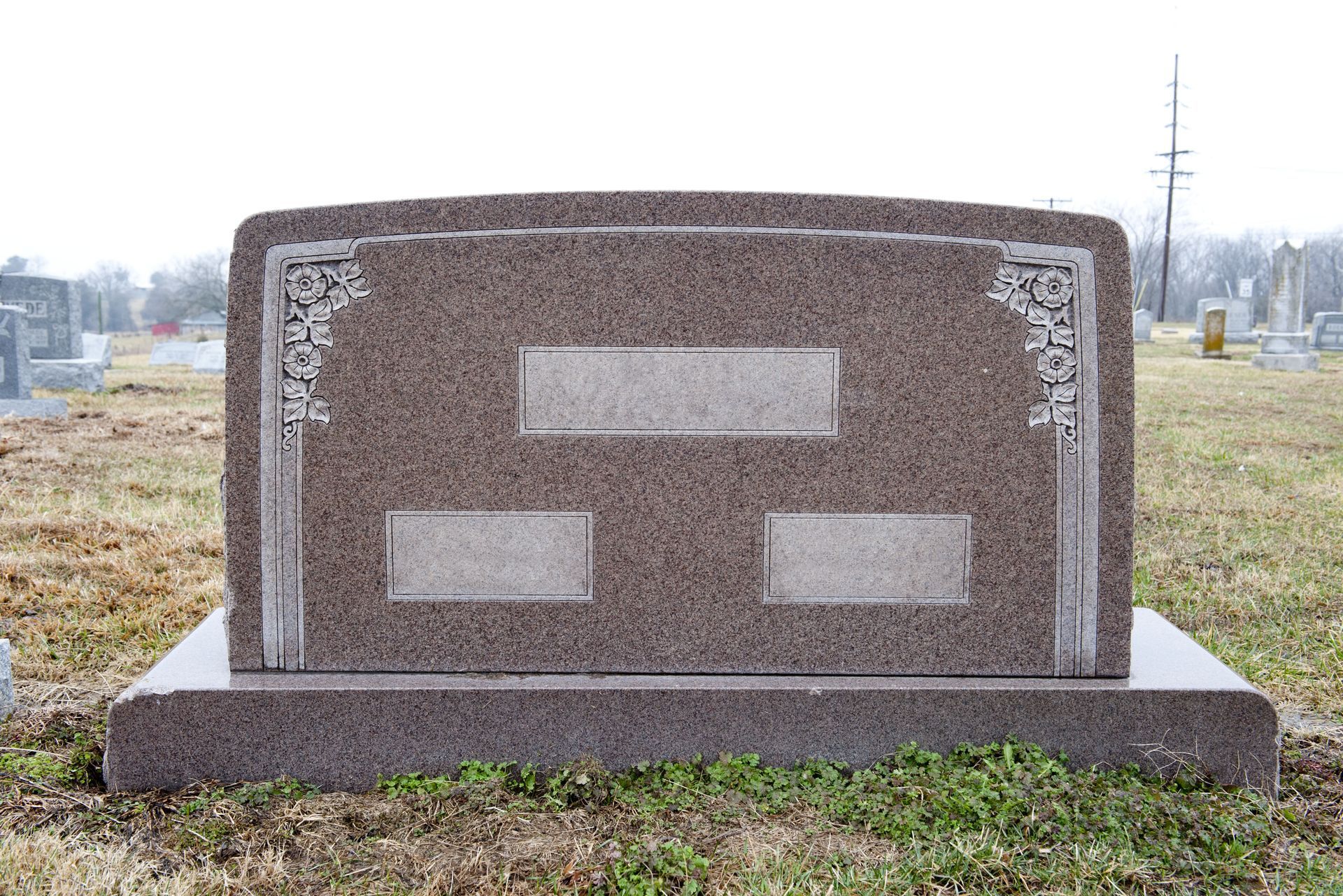
Among the variety of monuments available, headstones and tombstones remain the most traditional and widely recognized forms. These markers have historically served as lasting symbols of identity, encapsulating personal stories through inscribed names, dates, and often heartfelt epitaphs. Their variations in shape, size, and material allow for further customization. While they fit seamlessly into most cemetery settings, attention must be given to cemetery regulations to ensure these choices meet required directives. Selecting the ideal headstone involves consideration of personal preference alongside available options.
Mausoleums present another option, allowing for an enclosed and often more private space for memorialization. These structures can accommodate multiple family members, making them an appealing choice for preserving family heritage. They often feature elaborate designs, reflecting personalized artistry and an inclination toward permanence. For families seeking a distinguished and enclosed resting place, mausoleums provide both prestige and personal reflection. This choice, however, often involves greater investment, both financially and in terms of ongoing upkeep.
Alternatively, cenotaphs, cremation monuments, and memorial benches offer unique and customizable avenues for remembrance. Cenotaphs, often erected in honor of individuals whose remains may rest elsewhere, serve as symbolic reminders. Meanwhile, cremation monuments are specifically designed to accommodate urns, with adaptability in design appealing to various aesthetic tastes. Memorial benches, though less traditional, are interactive, inviting visits and quiet reflection in natural surroundings. These choices often align with modern sensibilities, incorporating flexibility and creativity in memorialization.
Material Choices for Memorial Monuments
The choice of material significantly influences the overall appearance and longevity of a memorial monument. Granite, for instance, stands out as a favored option due to its durability and timeless elegance. Its resistance to weathering and ability to retain polished finishes make it a reliable choice for outdoor settings. The color variations within granite provide further opportunities for personal expression and harmonization with the surrounding environment. By selecting granite, families can ensure their memorial will withstand the test of time, retaining both visual and structural integrity.
Marble, with its classic beauty and associations with historical sculptures, provides a sophisticated choice for monuments. Renowned for its fine texture and ability to allow for intricate detailing, marble creates a visual impact that is both elegant and serene. However, it's essential to recognize marble's susceptibility to weathering, especially in locations exposed to significant moisture and air pollution. Despite these limitations, when cared for properly, marble can serve as a beautiful expression of remembrance. Its historical significance adds layers of meaning, connecting modern mourners with time-honored traditions.
Eco-friendly materials are increasingly gaining attention as a sustainable alternative for memorial monuments. Options such as resins, bio-cement, and even recycled natural materials have been developed to reduce environmental impact. These alternatives appeal to families seeking to align their memorialization choices with broader ecological values. By prioritizing sustainability, these families contribute to broader preservation efforts, reconciling remembrance with environmental stewardship. With advancements in technology, the availability and diversity of eco-friendly materials continue to grow, presenting further opportunities for sustainable memorialization.
Design and Customization Options
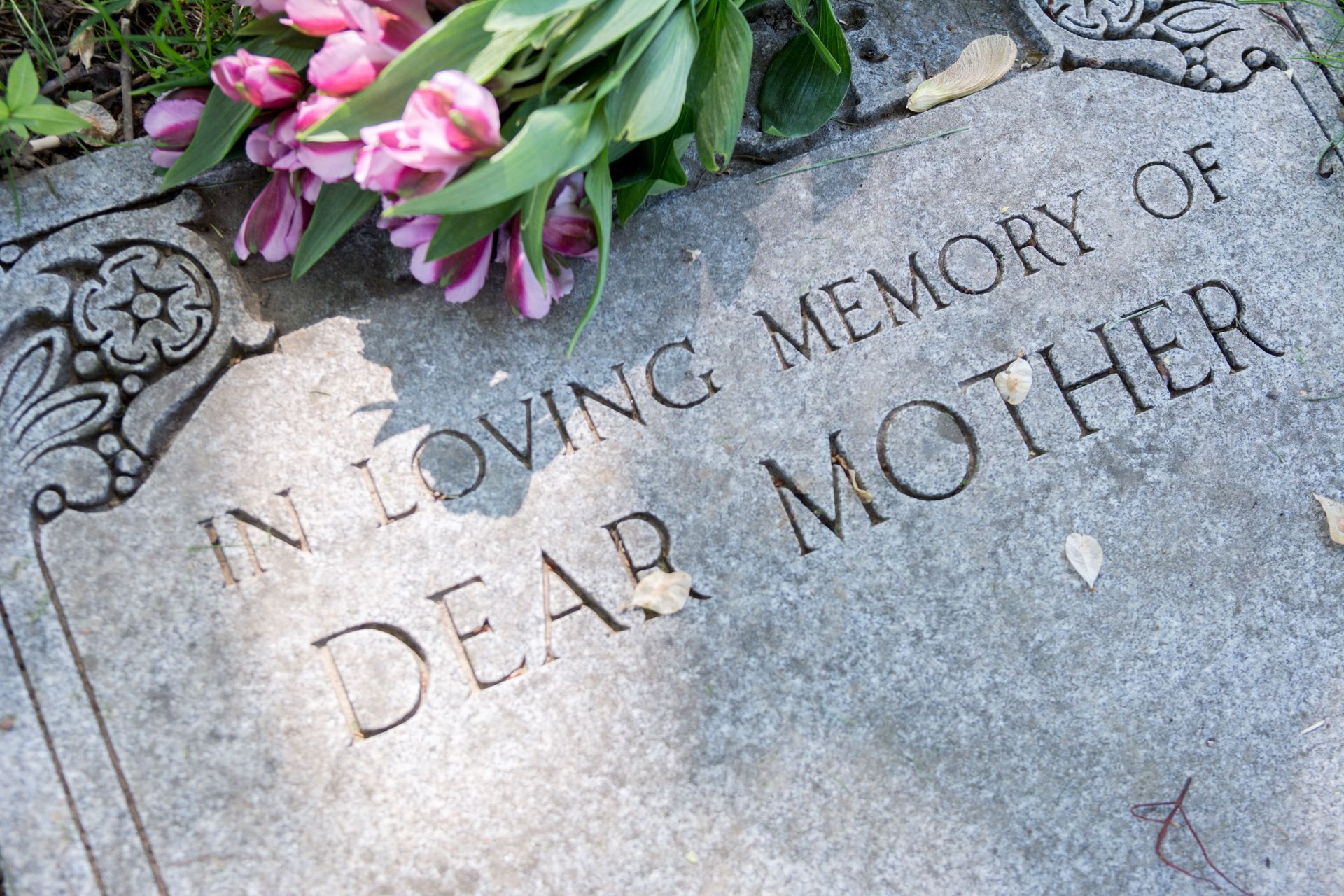
Engraving and inscriptions offer the opportunity to personalize a memorial monument with meaningful texts and symbols. Choices may range from the simple inclusion of names and dates to detailed epitaphs capturing the essence of a loved one. Typography, symbol placement, and size are all aspects of the design process that bear significant emotional weight. Families may also choose to incorporate religious symbols or quotes that hold special significance. The personalization of inscriptions transforms the monument into a unique testimony to the deceased’s life, values, and beliefs.
Symbolism and imagery contribute another layer of personalization to memorial monuments. Custom-designed carvings or etched imagery can reflect shared experiences, hobbies, or personal achievements. Symbols such as doves, hearts, or religious icons convey layers of meaning, serving as visual narratives of a life well-lived. Choosing images that resonate personally infuses the monument with character and depth, inviting reflection on cherished memories each time the monument is visited. It ensures the tribute remains a resonant reflection of the individual’s life and spirit.
Budget for a Memorial Monument
Establishing a budget is a crucial step in selecting a memorial monument, influencing material, design choices, and customization possibilities. Families must consider the various cost factors, including size, intricate details, and the inclusion of personalized elements. Granite is generally more affordable than marble, while highly custom designs require greater expenditure. Besides initial costs, long-term maintenance expenses must be contemplated to preserve the monument's appearance over time. Balancing ambition with fiscal responsibility ensures that the tribute remains cherished and presentable for future generations.
While cost is a significant determinant, it is essential not to compromise quality for affordability. Investing in durable materials ensures the monument will withstand environmental pressures over the years, preserving the integrity of both appearance and sentiment. Efforts to minimize costs should include comparing vendor quotes and carefully reviewing the terms of each proposal. It’s essential to ensure transparency in pricing structures checking for any hidden charges. Emphasizing value, rather than total cost alone, can result in a memorial that balances affordability with quality.
Choosing a
memorial monument involves deeply personal and complex decisions, reflecting both the individual’s life and broader themes of remembrance. The extensive array of options available—from material and design choices to financial considerations and legal compliance—can initially seem daunting. However, through thoughtful deliberation, informed by understanding each aspect detailed in this article, families can construct a meaningful tribute to their loved ones. Taking time to explore the possibilities and consulting experienced professionals will ultimately lead to a memorialization that both honors and cherishes memory. Remembering our loved ones thoughtfully provides comfort and legacy, underscoring the importance of these profound memorial choices. For more information about memorial monuments, contact Norde Memorials today.